
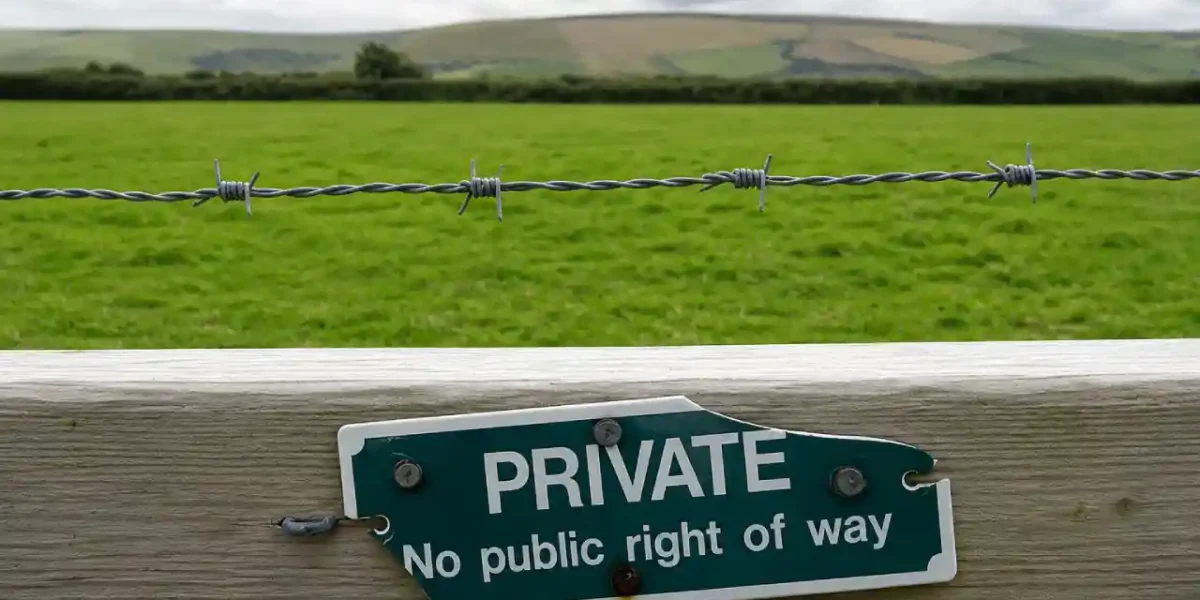
Trespassing can arise in many situations, from entering private land without permission to refusing to leave when asked. Understanding Trespass Law in Australia can help property owners and individuals know their rights and responsibilities.
Specific trespass laws in Australia may vary between states and territories. Whether permission was given or there was a lawful reason to enter can affect the legal position.
What Is Trespass Law in Australia?
Trespass generally involves entering or remaining on someone else’s land without permission. For trespass to land in Australia, physical damage is not always required. In some cases, the unauthorised entry itself may be enough to support a civil trespass claim.
However, not every entry onto private property amounts to trespass. A person may have express permission, implied permission, or another lawful authority to enter.
Elements of Trespass
To establish trespass, certain elements are generally considered:
- Entry: A person enters or interferes with another person’s land.
- Intent: The entry is intentional rather than completely accidental.
- Lack of Consent: The person does not have permission or another lawful basis to enter or remain on the land.
These factors are important when considering what is considered trespassing in Australia.
Trespass to Land in Australia: Common Situations
Trespass to land in Australia can arise in different ways. Examples may include:
- entering fenced or clearly private land without permission
- remaining on private property without the owner’s consent
- refusing to leave after being asked by the lawful occupier
- placing an object or structure onto another person’s land without authority
- entering an area outside the scope of the permission originally given
An unauthorised entry onto private property in Australia can involve different circumstances. The outcome will depend on the facts and relevant local laws.
Legal Consequences of Trespass
Trespass can have legal consequences for both the person entering the property and the lawful occupier.
- Civil Liability: A person who trespasses may be responsible for damage or financial loss caused by their actions. A property owner may also seek legal remedies to prevent continued interference.
- Other Legal Consequences: Certain trespass-related conduct may also fall within offences created by state or territory legislation.
So, what are the legal consequences of trespassing in Australia? Consequences may include compensation, court orders, legal costs, or penalties under relevant legislation.
Because trespass laws in Australia can differ between jurisdictions, the outcome will depend on the facts and the applicable law.
Property Owner Rights and Trespass in Australia
Understanding property owner rights and trespass in Australia is important when someone enters private land without permission.
A lawful occupier generally has the right to control access to the property. Owners may use fences, gates, warning signs, or other clear boundaries to help prevent unauthorised entry. They may also ask a person to leave and seek legal remedies where trespassing causes damage, loss, or repeated interference.
Questions about the use of force should be approached carefully. What is considered reasonable can vary depending on the specific situation.
For those asking what my rights are if someone trespasses on my property, the appropriate response will depend on the seriousness of the conduct and whether it is ongoing.
Your Rights as a Trespasser
Even where someone is accused of trespassing, certain legal protections may still apply. Depending on the circumstances, issues such as duty of care, reasonable force, necessity, lawful authority, or implied consent may be relevant.
The facts of each matter should be considered before deciding whether trespass has occurred.
What Should You Do About Unauthorised Entry or a Trespass Dispute?
If trespassing is ongoing, keep a clear record of what has happened. This may include dates, communications, photographs, property damage, and any disruption caused.
Some matters can be resolved by clearly communicating that permission to enter has been withdrawn. Others may involve boundaries, easements, shared accessways, or repeated interference.
Where the parties cannot resolve the issue themselves, negotiation, mediation, or other forms of dispute resolution may help address the underlying issue before it escalates.
In cases involving unauthorised entry onto private property in Australia, legal advice can help clarify the available options.
Conclusion
Understanding Trespass Law in Australia is important for property owners and people accused of unauthorised entry. The legal consequences can depend on consent, lawful authority, the nature of the conduct, and the laws of the relevant state or territory.
Understanding your rights and responsibilities can help you make informed decisions and take the right course of action.
Get Legal Help With Trespass and Property Disputes
If you are dealing with a trespass or related property dispute in Victoria, VK Lawyers can help you understand your legal position and the options available based on your circumstances.
Our team provides practical legal guidance for disputes involving property access, boundaries, and unauthorised entry.
Need advice about a trespass or property dispute in Victoria? Contact VK Lawyers to discuss your situation with our legal team.
Frequently Asked Questions:
What is considered trespassing in Australia?
Trespassing generally involves intentionally entering or remaining on land without permission from the person lawfully in possession, or without another lawful basis.
What rights do I have if someone enters my property without permission?
You may ask the person to leave and take reasonable steps to protect your property. Civil remedies may also be available where the conduct causes damage, loss, or ongoing interference.
What can you legally do if someone trespasses on your property?
You can generally ask the person to leave and make it clear that they no longer have permission to remain. If the behaviour is threatening, repeated, or unsafe, obtaining legal advice or contacting the appropriate authorities may be more suitable.
What are the legal consequences of trespassing in Australia?
Trespass may result in civil remedies such as compensation or court orders. Certain conduct may also result in penalties under relevant state or territory legislation.
Do you need a “No Trespassing” sign to take action?
Not necessarily. A sign can help clarify access restrictions, but its absence does not automatically grant someone permission to enter private property.